.svg "LNI")






“Good screen printers are like unicorns.”
At first, it sounds like an exaggeration, though anyone who has spent time in serious industrial printing knows exactly what this means. Because screen printing isn’t simply a machine process.
Why the craft behind industrial printing still matters
It’s a craft, and like many crafts, the people who truly understand it are becoming harder to find.
The Moment Every Screen Printer Waits For
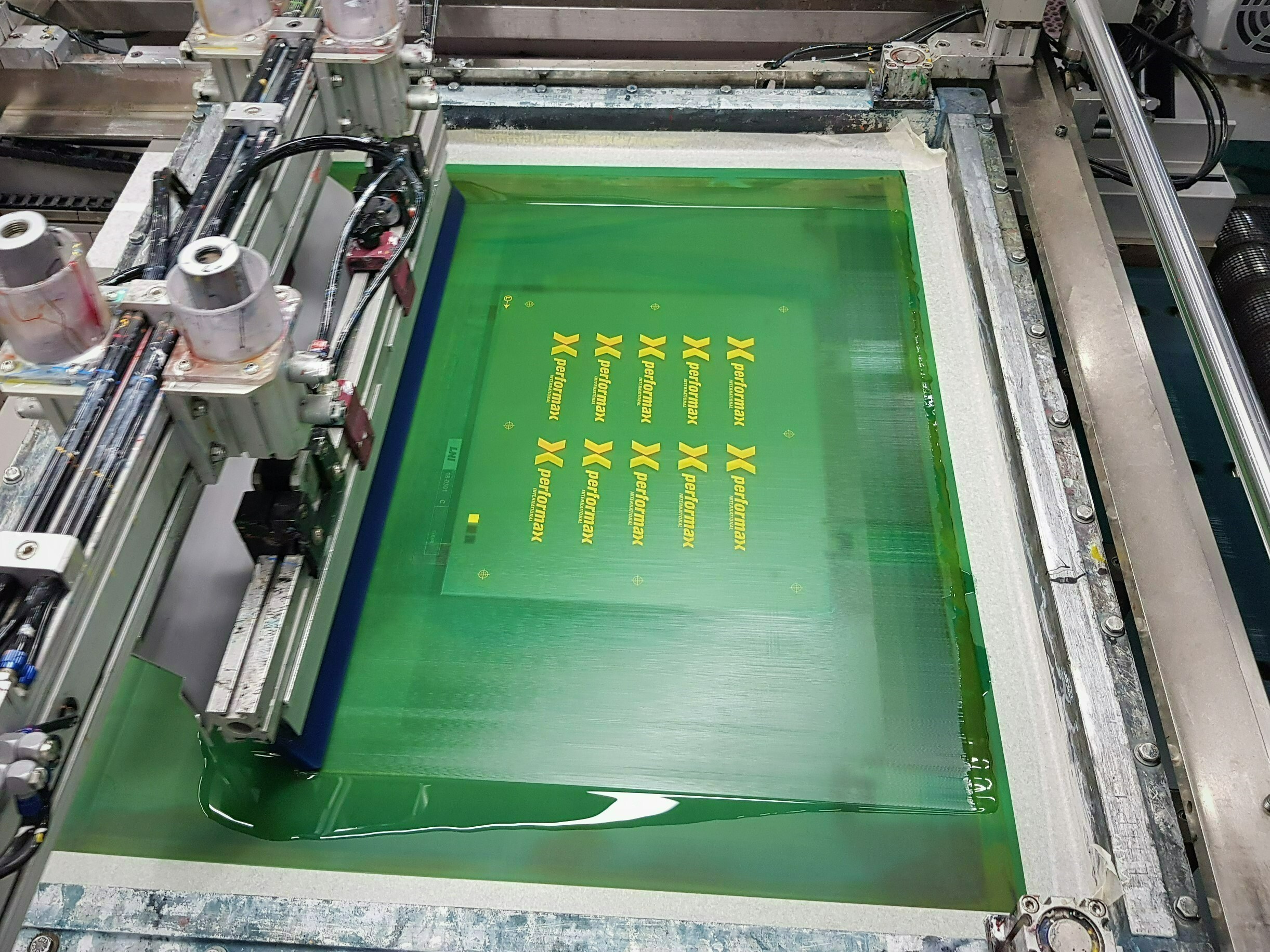
In professional screen printing, there is a moment every experienced operator waits for.
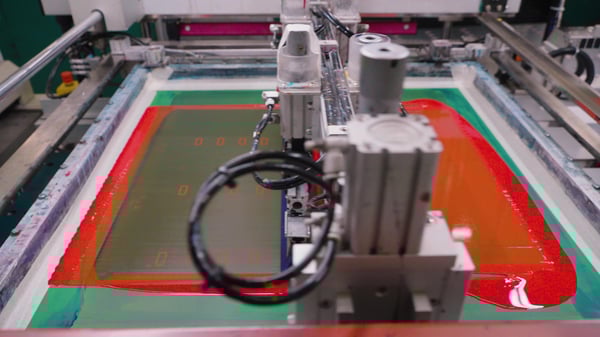
It happens when the first print comes off the screen. But that moment is the result of hours of preparation. Before the press even starts running, the operator has already made dozens of decisions:
- the correct mesh count
- stencil exposure time
- ink formulation and viscosity
- squeegee hardness and angle
- press speed
- substrate positioning
- curing temperature
Only then does the operator pull the first print. If everything has been done correctly, something remarkable happens.
The first print comes out perfectly. No adjustment. No gradual tuning. Just a sharp, dense, accurate image exactly where it should be.
When that happens, experienced printers often smile quietly. Because they know something most people don’t. The real skill wasn’t in the printing; it was in everything that happened beforehand.
Why Skilled Operators Are Becoming Rare
Over the past two decades, digital printing has revolutionised the industry. Digital systems are highly capable. They are quick, versatile, and perfect for short runs or frequent design modifications.
Digital printing has, however, also removed much of the deep technical setup that traditional processes required. As digital technology expanded, many training pathways for screen printing slowly disappeared. Fewer apprenticeships. Fewer operators are learning the craft from experienced printers.
Fewer people understand the full interaction between ink, mesh, material and curing. The result is that skilled screen printers have become increasingly rare.
Where Screen Printing Still Wins
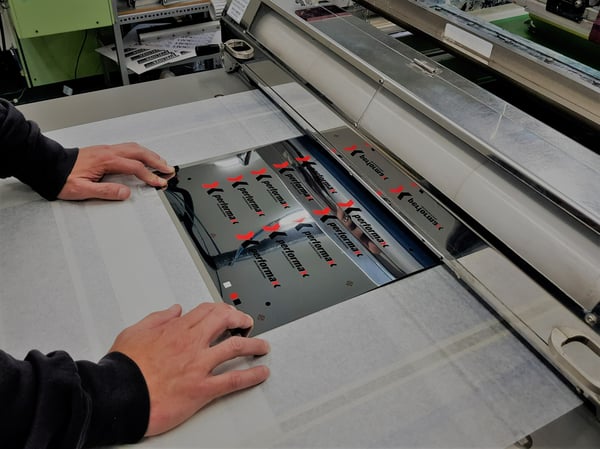
Despite the growth of digital printing, screen printing remains the best option for many industrial applications.
Especially when durability matters.
Screen printing can deposit significantly thicker ink layers than most digital processes. That thickness allows inks to bond more strongly with the material and withstand demanding environments.
For applications such as:
- labels for automotive application
- industrial equipment labels exposed to oils and abrasion
- where UV exposure will be an issue
- products which require high opacity colours
Screen printing continues to deliver superior performance. It is often the difference between a label lasting for years and one that fails after months of exposure.
.jpg?width=600&height=450&name=20211025_140155_Moment%20(2).jpg)
The Craft Behind Industrial Labels
Most people rarely think about how industrial labels are made. Yet those labels often carry critical information about equipment, safety procedures, and compliance requirements.
If they fail, the consequences can be costly. That’s why the manufacturing process matters.
At LNI, producing durable labels and nameplates involves much more than running a printer. It requires a deep understanding of materials, inks, adhesives and production methods.
It requires knowing which printing process will perform best in real-world conditions. And sometimes it requires the kind of craftsmanship that only comes from years of experience. Which brings us back to the original premise.
Good screen printers are becoming rare.
But when you see the first perfect print come off a screen, you realise why their skill still matters.
Contact the specialists at LNI
All LNI products are Australian-made, designed, and manufactured. Request a quote from LNI today.